Scroll down to see all stories
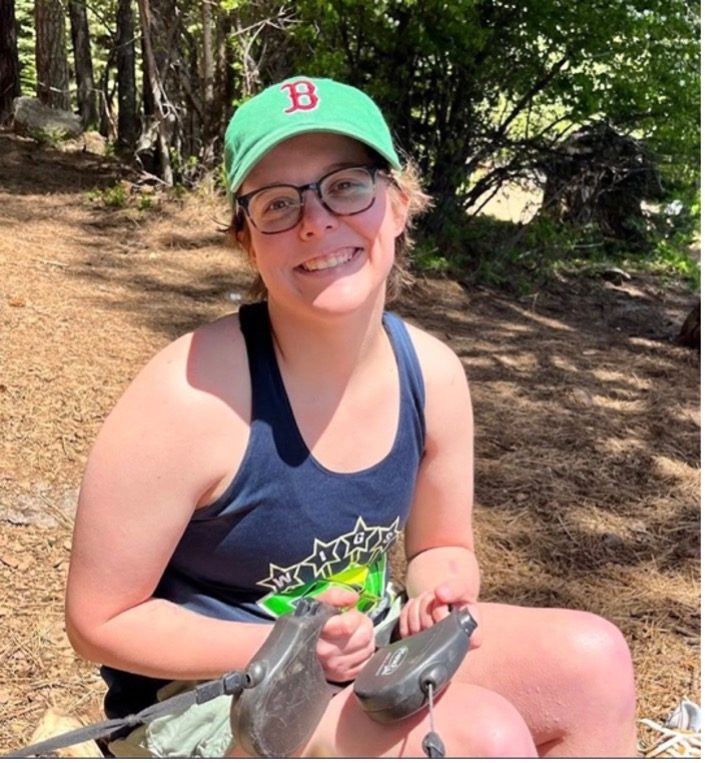
Kaylee Danae Birt
How did Kaylee Birt Really die, and why?
Requiem for a missing angel
Five feet two, full of life, laughter, and grace, A beautiful young soul, such a familiar face. Once vibrant and bright, she was left there alone, dissolving so slowly into night, ice, and stone.
Those tender hazel eyes, frozen wide in the dark, as the wolves of indifference snuffed out her spark. They hunted with hollow words, half-hearted breath, four fleeting days—then signed her to death.
They packed up their trucks, turned around, and drove on, while her spirit still cried, unheeded and gone. For the crime of indifference, for the woman she loved, they left her to the earth while the Ravens watched above.
Heavy, the spade pressed under May’s frozen breath, unveiling dust and stone—the quiet scene of death. An angel carved of light, broken for the desert waste to keep, while monsters clothed in rank turned fast and left her sleep.
The mountains remember, the shadows grow long; A cold justice wakes to rewrite this dark wrong. The sheriff and judge, their clock ticks away; the blood debt is coming to harvest its pay. They buried the youth and locked up the files, but truth cannot sleep under secrets and smiles.
Now a home sits in ruins, bleeding from inside out, choking on answers they keep screaming about.
Deep in the ridge, where the pines weave and cross, A lonely ghost shivers, consumed by frost: "The cold ate my fingers, the dark stole my breath— You knew I was out there; you chose my death. Why did you leave me to freeze in the wild? You watched me stop breathing and look how you smiled."
In that suffocating mountain air... I was sick. I was lost. Why did you leave me to die in that frost?
Kaylee Denae Birt. Born October 22, 1995, died alone. April 2025, Fields, Oregon.
NEXT UP
Vernon Lavere Seaman
Next, I confront the wall of silence: Why is Sheriff Dan Jenkins stonewalling the release of the Seaman files? The answer likely traces back to former Deputy Bill Hart, a crucial report mysteriously scrubbed from the archives, and the damning truths a real investigation threatens to unearth. It leaves behind the kind of questions the people in power would kill to keep buried.
Vernon Lavere Seaman
On the humid afternoon of June 7, 1996, time didn't just stop at the Seaman ranch—it curdled.
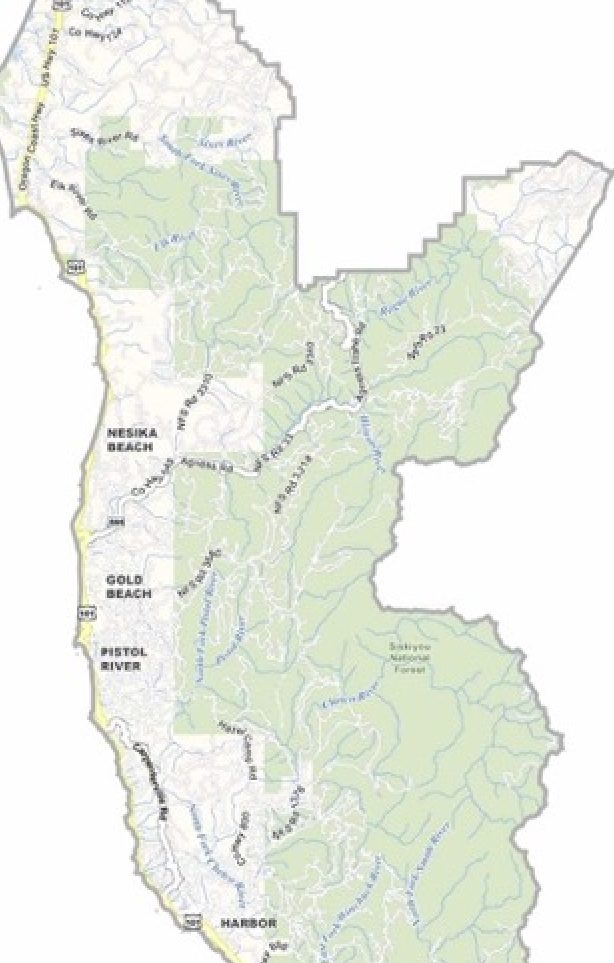
The house sat 13.5 miles down Highway 205, huddled in the oppressive shadow of Dog Mountain like a bruised secret. Inside, the air didn't just smell of wet paint; it carried a suffocating, chemical reek that burned the throat. An open can sat in the sink, the paint thick and sluggish, congealing like a fresh scab. The walls, half-coated in that glistening wetness, looked less like a renovation and more like a weeping wound.
Everything was exactly where it should be, which was the most terrifying part of all. His toothbrush was damp; his clothes were folded with a precision that felt clinical, almost ritualistic. His tools lay on the bench, expectant and cold, waiting for a grip that had been forcibly stripped away.
Outside, the silence was heavy, vibrating with a low-frequency hum that seemed to emanate from the earth itself. Vernon’s pickup sat in the driveway, its hood cranked open like a jagged metal jaw frozen in a silent, agonizing scream.
His .22-caliber rifle and his cell phone lay on the seat, one call unanswered. In the face of whatever had emerged from the desert's heat shimmer, the rifle hadn't been a weapon—it had been a toy, an insult to the scale of the predator that stood before him. The search parties found nothing but the wind, but the locals know better than to trust the empty air. They speak of things that live beneath the skin of the world.
Some say he was dragged, screaming or silent, into the jagged, tooth-like maws of the cougar caves at Wrights Point. There, in the absolute dark where the air smells of old copper and rot, he was left as winter meat.
Others point to the 200-foot well, a narrow, vertical throat plunging into prehistoric blackness. They say he went down that hole, but no one has ever dared to plumb its depths. It’s as if they fear what—or who—might still be at the bottom.
Vernon Seaman didn’t just vanish; he was erased mid-sentence.
NEXT UP
Irin Maria Meyer

The Altar of Curry County.
Irin Maria Meyer
Missing 1979.
On July 20, 1979, the woman from St. Louis drove directly into the lap of that kneeling figure.
Her car was found at Whale’s Head Park, abandoned like a discarded toy. Ten miles away, her campsite at Harris Beach remained eerily preserved. The psychological horror wasn’t in what was missing, but in what was left: the camping gear arranged with a ritualistic neatness, and the cat, sitting in the silence, staring at things that shouldn't have been there.
It felt as though she hadn't just vanished; she had been absorbed. She was a traveler moving toward a sister in California, but the geography had other plans. She had wandered onto the "altar" of the county's stone knees.
There is a cold, whispering logic to it: she didn't go missing in the woods. She was pulled into the granite prayer of the land itself. While the cat watched the treeline and the waves beat against the shore, the kneeling man of Curry County kept his head bowed, his hands clasped tight over whatever it was he had finally decided to collect.
She has never been seen again, as if the earth had simply folded its stone hands over her and refused to move.
NEXT UP
Judith Dee Kangilaski,
Murdered February 1, 1991, Port Orford, Oregon
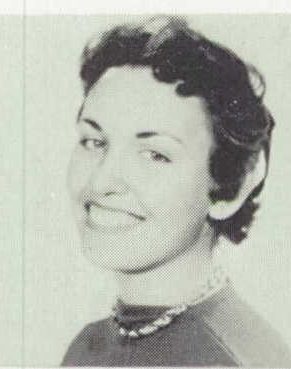
Perched on the rugged edge of Port Orford, Judith Kangilaski had carved out a quiet existence governed by the Pacific surf and the pull of the Tarot. She was sober now, having severed ties with a local fisherman the docks knew as "Rat Man." Most evenings found Judy curled into a daybed facing the dark horizon of the ocean, turning cardstock for clients who came to hear what the cards had to say about their lives.
Then came a night thick with coastal rain.
The storm’s low drone broke with the familiar groan of her un-oiled side door swinging inward. Beside her, the dog stayed quiet—a silence reserved only for familiar footsteps. Judith didn't bother looking up from her hands. Is that you?" she asked, the rhythm of her shuffle unbroken.
"Looking for a reading?"
Footsteps padded down the hallway, dragging a shadow that pooled at the foot of her bed. The figure said nothing. In that suffocating quiet, Judy cut the deck and began to lay out the spread. One card after another met the sheets, her voice carrying the rhythm of symbols and interpretations into the dim room.
Then came the final card.
With a practiced flick of the wrist, she snapped it over: Card XIII. The skeleton, the scythe, the pale horse. Death.
The color left Judith’s face. She lifted her eyes, piercing the gloom to finally look at the shadow standing over her. Before the breath in her chest could form a word, the dark cracked with the sound of a single gunshot—and the card became an epitaph.
NEXT UP
Christal Ann Trawick
Missing 04-28-1992, Port Orford, Oregon

In Curry County, the "Cold Cases" aren't just files in a drawer. They are the shapes you see in your rearview mirror when driving through the shadows. They are the reasons why, when the clock strikes four and the mist rolls in, the people of Port Orford lock their doors and stop looking at the sea.
The truck wasn’t just a vehicle; it was a prowling silhouette, a rusted blemish against the pristine white of the fog. It didn't roar or rattle. It moved with a rhythmic, low-frequency hum that seemed to vibrate in the teeth of anyone standing too close.
Witnesses remember the truck idling near the curb, its engine coughing out a thick, sweet-smelling exhaust that mingled sickeningly with the salt air. The windows were tinted a deep, oily black, reflecting nothing but the gray sky. No one saw a driver. There was only a pale, gloved hand resting on the door frame—unmoving, like marble.
When Christal approached, the passenger door didn't just open; it swung wide with a slow, mechanical precision, as if the truck itself were a mouth unhinging.
Those who claim to have seen her last describe a chilling detail: as Christal stepped inside, the truck's interior looked darker than the fog outside—a vacuum of shadow that seemed to suck the light from the street.
The door clicked shut like a bone snapping. There was no peel of tires, no hurried escape. The truck rolled forward, its taillights glowing like two dying embers before the mist snuffed them out. By the time the clock struck 4:05, the street was empty. All that remained was a faint, lingering scent of ozone and the feeling of being watched by the trees.
Christal Ann Trawick has never been seen again.
NEXT UP
Denise and Allen Elson
1981 Missing Elephant Rock, Sixes, Oregon
Elson story part I Click on Photo
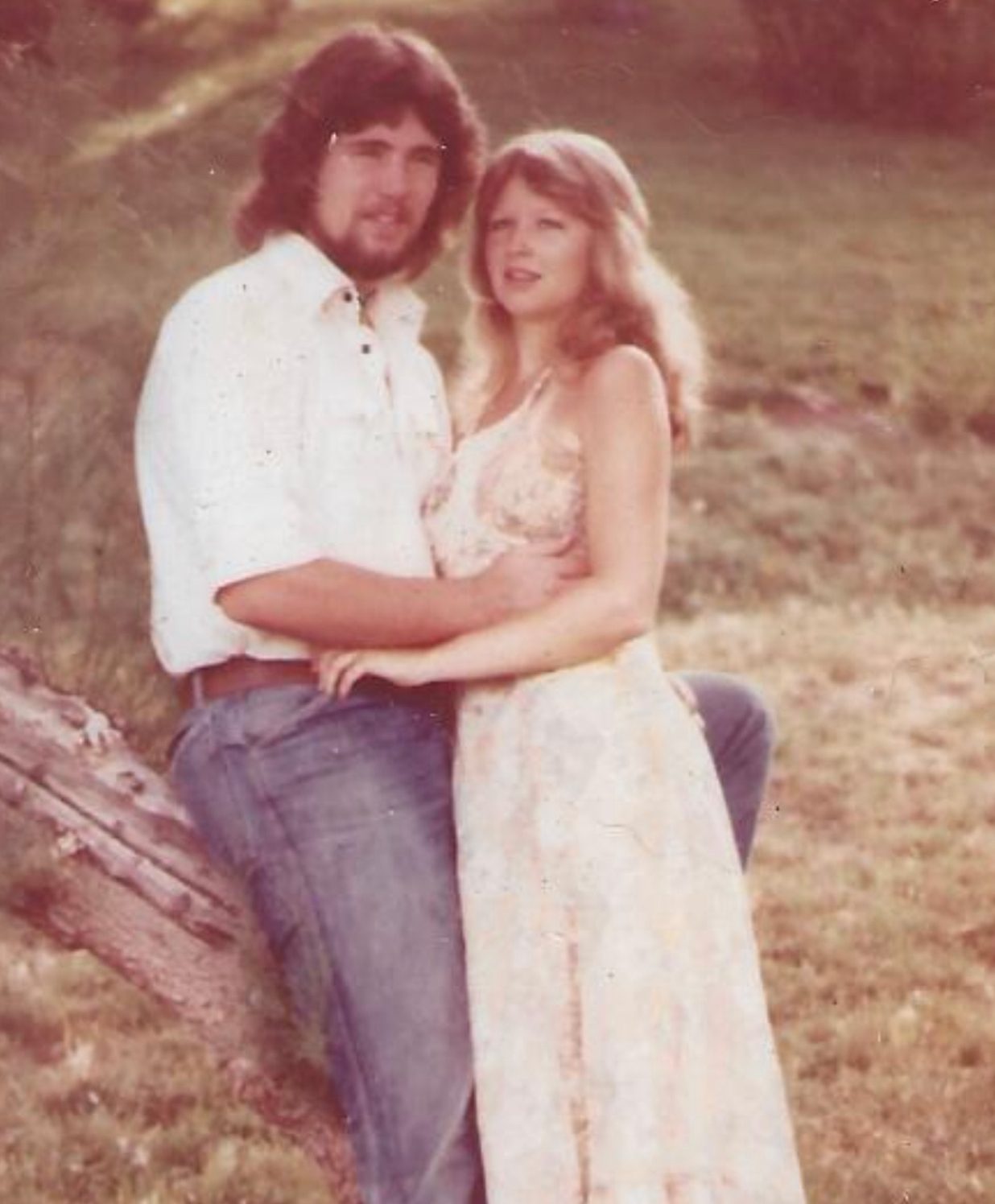
In 1981, Denise and Allen Elson moved into the damp, suffocating silence of the Sixes River. It was supposed to be a compromise—his obsession with the rugged earth meeting her need for a home—but the landscape of Curry County didn’t feel like a sanctuary. It felt like an audience.
They settled in the shadow of Elephant Rock, a jagged monolith that loomed over the valley like a tombstone. Allen spent his hours deep inside a skeletal A-frame structure, a relic of a failed commune. The wood was grey and salt-bitten, built by "agrarian" dreamers who had long since vanished, leaving behind only the cold smell of wet cedar and the feeling that the walls were listening.
By December, the air turned needle-cold. Denise, heavy and swollen in the final weeks of her pregnancy, found solace in the only neighbors they had: a couple who called themselves "Pooch" and "Pup." They were friendly, perhaps too friendly, always appearing from the tree line without a sound. They, too, were expecting a child. But while Denise’s pregnancy felt like life, there was something sterile and hollow about the strangers. Behind Pooch’s easy smile lived the jagged instincts of a predator; he wasn't a seeker of the earth, but a killer hiding in its scars.
The end came on the morning of December 12.
When Jim Boatman climbed the trail to the A-frame, the silence was absolute—a heavy, unnatural quiet that happens when the birds collectively stop singing. The Elsons hadn't just left; they had been erased. Inside the A-frame, their belongings sat in frozen domesticity: a half-drunk cup of coffee, a chair pulled out, a life interrupted mid-sentence.
Their car was found days later outside a dim bar in Coos Bay, miles from the river. It sat empty, the keys gone, a steel shell abandoned in the rain. Denise, Allen, and their unborn child had vanished into the mist of the Sixes River, leaving nothing behind but the A-frame—rotting slowly in the woods, a ribcage of wood guarding a secret the earth refused to give up.
NEXT UP
Mary Jo Templeton
April 30, 1979, disappeared from Bend, Oregon.
Body parts, except for the head, were found shortly after in a local pond. The case has never been solved

On April 30, 1979, the turbines at Drake Park’s north end began to shudder, stalled by something thick and snagged. When the Pacific Power and Light worker cleared the grates, he didn't find the usual river silt. He found a human thigh, cold and ivory-white, wedged firmly against the metal.
The official reports were sanitized, but the internal files tell a more jagged story. Scuba teams didn't just "find" additional parts; they spent days dredging the silt of Mirror Pond, pulling up a jigsaw puzzle of a woman that the water refused to wash away. The medical examiner noted the "heavy knife" used to divide her, but the police kept the specific, rhythmic nature of the incisions—marks of a practiced hand—carefully out of the papers.
Investigators focused publicly on her life as a waitress, a "transient" lifestyle that made for easy headlines. Yet, they conveniently glossed over the state of her motel room and why names in her address book were never followed up on. When the rest of her remains surfaced weeks later, the police moved with a frantic, quiet speed—not to solve the case, but to submerge the details as deep as the body had been.
The file remains open, but the pages are thin. It wasn't just the heavy blade that cut Templeton apart; it was the deliberate silence of the men in uniform who decided which parts of her death were fit for the public to know.
NEXT, UP
Melvin Eugene Halbert
was booked into the Curry County Jail on
May 19, 2000. His booking records were erased. He has never been seen again
Witnesses said the Oregon State Police transported Halbert to Gold Beach, then booked him into the Curry County Jail, where he was to be held until his hearing on Monday. While in custody, he told a deputy about a marijuana operation on the Rogue River just outside of Gold Beach. The deputy handcuffed him and took him to the area of the supposed garden.
He fled from the deputy, handcuffed in the back, and disappeared. This case has remained quiet.
The records show that Melvin Eugene Halbert was booked into the Curry County Jail on May 19, 2000. That paperwork exists. The fingerprint ink was still wet when the heavy iron doors slid shut. But Melvin didn't stay in a cell. He became a ghost in the machinery of a town that keeps its secrets buried under the silt of the Rogue River.
In the dead of night, the ledger lied. A deputy—whose name remains a whispered curse in the precinct’s halls—unlocked Melvin’s cell. There was no processing out, no bail, no phone call. Just the cold bite of steel handcuffs and a long, silent drive into the emerald blackness of the Oregon wilderness.
The "official" story, whispered by terrified witnesses years later, was that Melvin was taken to identify a massive, illegal marijuana grow. But as the patrol car climbed into the jagged terrain where the Rogue River roars like a starving beast, the atmosphere shifted from an investigation to an execution.
According to the deputy’s frantic, belated account, Melvin—shackled at the wrists and stumbling through the dense undergrowth—somehow outran a seasoned officer. He allegedly sprinted into the forest’s lightless maw, disappearing into the fog and ferns, never to be seen again.
But the locals know better. They know that a man in handcuffs doesn't "flee" into the heart of the Rogue River wilderness and survive.
For thirteen years, the silence was absolute. Melvin Halbert didn’t exist. He was a name scrubbed from Curry County’s collective consciousness until a relative finally forced the world to confront the empty space where a human being had once been.
The case remains "quiet," but the silence isn't peaceful—it’s enforced. Somewhere along the banks of the Rogue, where the water runs deep, and the mud is thick, Melvin Halbert remains. He isn't a fugitive; he’s a foundation.
He is the reason, on certain misty nights, the deputies avoid looking too closely at the river. They know that some "disappearances" aren't accidents; they are sacrifices to keep the gears of a corrupt system turning in the dark.
Next, UP
Matt Luoma and Gary Harper walked to Pitches Tavern in Port Orford, Oregon. They left the bar together and were never seen again.
Gary Duaine Harper
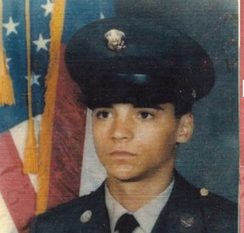
Matt Lee Luoma

The air in the Police Chief’s master bedroom didn't circulate; it stayed heavy and stagnant, carrying a scent of cedar and a sickly-sweet odor, like flowers left too long in a vase.
Ben Harrington followed the Chief into the room, his boots feeling too loud on the hardwood. He had been invited over for a drink, a "celebration" of the new build, but the house felt less like a home and more like a lid. The Chief stood by the window, his back turned, looking out at the dark treeline of Port Orford.
In the center of the room, sunken into the floorboards like a dark eye, was the jacuzzi.
"Beautiful, isn't it?" the Chief asked. He didn't turn around.
Ben stepped closer to the edge. The water wasn't bubbling yet. It was perfectly still, a black mirror reflecting the dim amber overhead lights. As Ben looked down, he felt a strange, dizzying sensation—a physical heaviness pulling at his chest. The wood framing around the tub was thick and reinforced, severe cold against the warmth of the room.Sturdy construction," Ben managed to say, his throat dry. "You did the foundation yourself?"
"Every inch," the Chief replied, finally turning. His eyes were flat, catching the light in a way that made him look hollowed out. "I wanted to make sure nothing ever shifted. I wanted to know exactly what was beneath me."
The hum of the heater kicked on, a low, mechanical growl that vibrated through the floorboards. Ben felt the tremor under his feet—a rhythmic thrumming that felt like a heartbeat pushing up through the depth of the house. He looked back at the water. A single ripple moved across the surface, though there was no breeze.
"Don't you ever feel... restless here?" Ben asked, the question escaping before he could check his fear. "It’s so quiet. Don't you think about the things this town loses? Those boys, Harper and Luoma?"
The Chief walked toward the tub, stopping just at the rim. He looked down into the dark water with a faint, terrifyingly serene smile.
"I don't have to wonder where they went, Ben," the Chief whispered, the steam beginning to rise around his knees like a shroud. "Every time I get into the Jacuzzi, I feel them right where they should be.
NEXT UP
Cheri Arakul
Missing from LA 10-01-1982,
found May 9, 1983 Elk River Road, Sixes Oregon

The fog doesn’t roll into Humboldt County; it crawls. It has a weight to it, smelling of salt, wet cedar, and something faintly metallic—like old coins or dried blood.
They call it the "Emerald Triangle," but the locals know the truth: it is a hungry green throat that never stops swallowing.
It began with Cheri. In 1982, she thought she was escaping the suffocating heat of Los Angeles for the cool, quiet redwoods. She didn’t know the mountains. Somewhere in the dark canopy of Murder Mountain, a shadow followed her. There was no scream—only the clinical crack of a handgun. A bullet entered the left side of her skull, ending her journey.
The mountain tried to hide her, but the earth there is restless. For 10 days, she tumbled through the Pacific Ocean’s subterranean veins, her body bloated and pale, drifting through the freezing, pitch-black currents where the Elk River meets the Pacific. When she finally floated ashore, staring at the gray sky with empty sockets, she was a silent warning.
UP NEXT
Donald Pier was murdered on January 21, 1981, in Toledo, Oregon.